
Is Hookah the Same as Vaping? Understanding the Differences, Similarities, and Health Impacts
July 22, 2025
Hookah and vaping have become widely popular among people looking for alternatives to cigarettes. With their rise in social settings, lounges, and even at home, it’s easy to assume they’re essentially the same thing—just with different devices. But are they really alike?
Although both methods involve inhaling flavored vapor or smoke and often contain nicotine, the way they work, what they deliver, and the associated health risks differ quite a bit. This blog breaks down the major distinctions between hookah and vaping to help you make informed decisions about what you’re using or considering trying.
What Is Hookah?
Hookah, also known as shisha or waterpipe smoking, is a method that involves inhaling smoke produced by heating flavored tobacco with charcoal. The smoke passes through a bowl of water before being inhaled through a long hose.
Components of a Hookah:
- Bowl: Holds the shisha (flavored tobacco).
- Charcoal: Placed on top to heat the tobacco.
- Water chamber: Cools the smoke before it’s inhaled.
- Hose: Delivers the smoke to the user.
Key Features:
- Often used in group settings or lounges.
- Sessions can last 30–60 minutes or more.
- The tobacco used is often mixed with molasses, honey, and flavoring.
Though the water cools the smoke, it does not remove toxic substances. In fact, hookah users may inhale more smoke in one session than from a cigarette.
What Is Vaping?
Vaping involves inhaling a vapor created by an electronic device that heats a liquid (often called e-liquid or vape juice). Unlike hookah, there’s no combustion involved.
Components of a Vape Device:
- Battery: Powers the device.
- Coil or atomizer: Heats the e-liquid.
- Cartridge or tank: Holds the e-liquid.
- Mouthpiece: For inhaling vapor.
E-liquids typically contain:
- Nicotine (optional)
- Propylene glycol or vegetable glycerin
- Flavoring agents
Vape devices range from disposable pens to customizable mods, and they are often used on-the-go or discreetly indoors.
Key Differences Between Hookah and Vaping
Let’s look at the core differences:
| Aspect | Hookah | Vaping |
| Heat Source | Charcoal | Battery-powered coil |
| Substance Used | Flavored tobacco (shisha) | E-liquid (can be nicotine or nicotine-free) |
| Combustion | Yes (burning charcoal and tobacco) | No combustion; vaporization only |
| Nicotine Content | Varies, often high | Varies by product |
| Portability | Bulky; not travel-friendly | Lightweight and portable |
| Social Setting | Group use; often lounge-based | Individual use; can be social too |
| Exposure Time | Longer sessions | Short bursts or puffs |
| Smoke vs Vapor | Produces smoke | Produces vapor |
Do Hookah and Vaping Pose the Same Health Risks?
Not exactly. Although both expose the user to potentially harmful substances, how they do so—and how much—is different.
Hookah Health Risks:
- Smoke contains carbon monoxide, heavy metals, and carcinogens.
- One session can equal smoking 100+ cigarettes, according to the CDC.
- Shared mouthpieces can increase risk of infections.
Vaping Health Risks:
- Although free from combustion, vape aerosol contains nicotine, ultrafine particles, and chemicals like diacetyl.
- Long-term health effects are still being studied, but early research suggests potential links to lung irritation and cardiovascular issues.
- May be less harmful than smoking or hookah, but not risk-free.
Is One Safer Than the Other?
While vaping is generally considered less harmful than hookah because it avoids burning and carbon monoxide, that doesn’t make it safe.
- Hookah smoke contains combustion byproducts and may deliver higher volumes of harmful chemicals due to longer sessions.
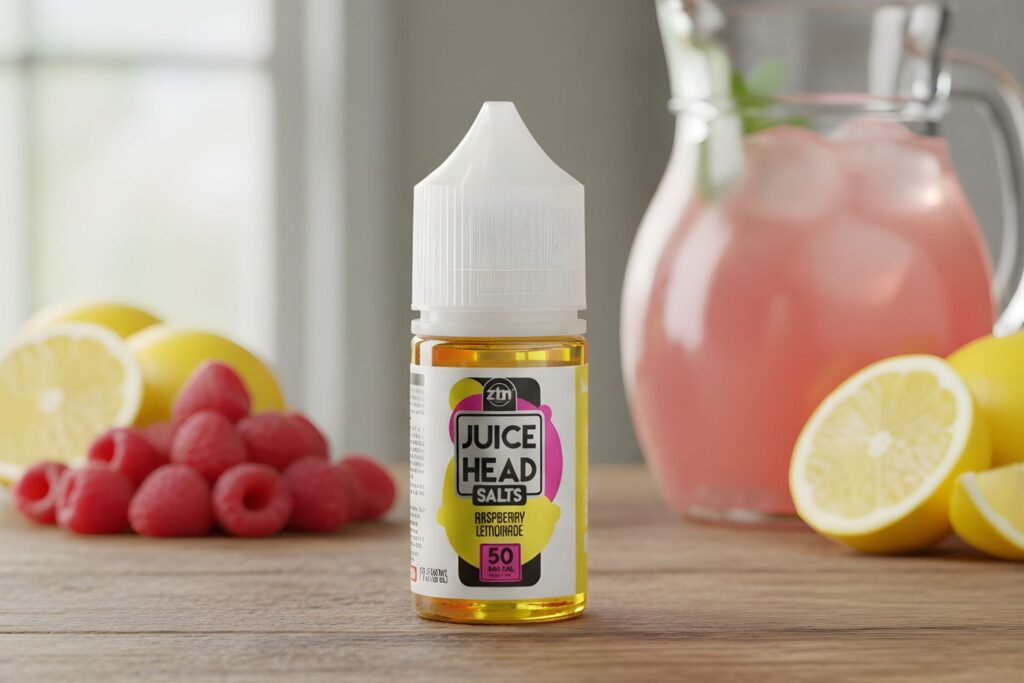
- Vape aerosol can still irritate lungs and deliver high nicotine concentrations, especially with high-nicotine disposable vapes or nicotine salts.
Key Point:
Neither is “safe.” If health is a major concern, abstaining from both is the best choice.
Popularity and Cultural Influence
Hookah use has deep cultural roots, particularly in Middle Eastern and South Asian countries, where it’s often associated with social gatherings and tradition. It’s also found in urban hookah lounges in cities worldwide.
Vaping, on the other hand, is more modern and tech-driven, often appealing to people looking to quit smoking or seeking customization and convenience in how they consume nicotine.
- Hookah: Tradition, group ritual, longer sessions
- Vaping: Tech-savvy, individualized, mobile
Nicotine and Addiction Potential
Both hookah and vape products can be highly addictive, mainly due to nicotine.
Hookah:
- Many users don’t realize how much nicotine they’re consuming in a single session.
- The longer sessions and social format can lead to deep inhalation of large smoke volumes.
Vaping:
- Allows users to control nicotine levels, but some devices—especially those using nicotine salts—can deliver higher doses more efficiently.
- The convenience of vaping can lead to frequent, even unconscious, use.
Secondhand Exposure: What About the People Around You?
Hookah:
- Secondhand hookah smoke contains toxins and carbon monoxide similar to or greater than cigarette smoke.
- Charcoal used in hookah adds additional pollutants to the surrounding air.
Vaping:
- Vape aerosol is less harmful than secondhand smoke, but it still contains nicotine and fine particles.
- Not completely safe, especially for children, pregnant women, and individuals with respiratory conditions.
Which One Is Legal and Regulated More Strictly?
Both vaping and hookah products are regulated under tobacco laws in many countries, though the rules can vary:
- Vaping regulations are often stricter, especially regarding flavors, nicotine limits, and advertising to minors.
- Hookah lounges may be allowed in some cities even where public smoking is banned, due to cultural exemptions or zoning laws.
Always check local and national laws before purchasing or using either.
Environmental Impact
Both hookah and vaping have waste implications:
- Hookah waste includes charcoal, aluminum foil, disposable hoses, and plastic packaging from shisha.
- Vapes, especially disposable devices, contribute to e-waste and plastic pollution, and battery disposal poses environmental hazards.
Understanding the Bigger Picture
While hookah and vaping share similarities in that both are alternatives to traditional cigarettes and involve flavored nicotine use, they are not the same. They differ in their mechanics, health impacts, cultural significance, and user experience.
If you’re trying to understand whether one is better or worse, the answer depends on your priorities—health, social setting, portability, or personal preference. However, it’s clear that both carry health risks and addiction potential, and should be used with full awareness of the consequences.
Cloud Chaserz Smoke Shop Houston, Vape Shop, Kratom, & Hookah Serving the Westmoreland Community and Beyond in Houston
Cloud Chaserz Smoke Shop Houston, Vape Shop, Kratom, & Hookah is dedicated to serving the diverse needs of the local community of Houston, including individuals residing in neighborhoods like Westmoreland. With its convenient location near landmarks such as the University of St. Thomas and major intersections like W Alabama St & Mt Vermont St. (coordinates: 29.738416392789336, -95.39414778172964), we offer Vape shop Houston services.
Get Vape shop Houston Services at Westmoreland. Now
Navigate from Westmoreland to Cloud Chaserz Smoke Shop Houston, Vape Shop, Kratom, & Hookah Now
Final Thoughts
Whether you’re considering vaping or hookah, the best approach is to stay informed. If you’re trying to quit smoking or avoid nicotine, there are safer and more effective options, such as nicotine replacement therapy (NRT) or counseling.
Understanding the key differences between hookah and vaping helps you make better decisions for your health, habits, and lifestyle. Both may seem trendy or enjoyable in the moment—but it’s worth thinking about the long-term picture.
Frequently Asked Questions (FAQs)
1. Is hookah more harmful than vaping?
Hookah often exposes users to more smoke and toxic substances like carbon monoxide due to charcoal combustion and longer session times. While vaping avoids combustion, it still delivers nicotine and chemicals, making neither option completely safe.
2. Can you get addicted to both hookah and vaping?
Yes. Both methods usually involve nicotine, which is highly addictive. Hookah delivers large volumes of nicotine in a single session, while vaping allows frequent, convenient use that can lead to dependency over time.
3. Does hookah have more nicotine than a vape?
Hookah can deliver more nicotine per session than many vape devices due to the extended duration and depth of inhalation. However, some vape products, especially those using nicotine salts, can also deliver high doses quickly.
4. Is secondhand smoke from hookah worse than vape aerosol?
Secondhand hookah smoke can be more harmful because it contains not only tobacco smoke but also pollutants from burning charcoal. Vape aerosol is less intense but still contains fine particles and nicotine.
5. Can I use hookah or vapes as a safer alternative to cigarettes?
Neither hookah nor vaping is risk-free. While some people use vaping to quit smoking, it should be done under guidance. Hookah is not recommended as a quitting method due to its intense smoke exposure and addictive potential.

Level Up with Cloud Chaserz Rewards
Join the crew and get more out of every cloud. With our exclusive rewards program, every purchase earns points toward discounts, drops, and members-only perks.
Sign up today and start chasing rewards your way.
Related Blogs
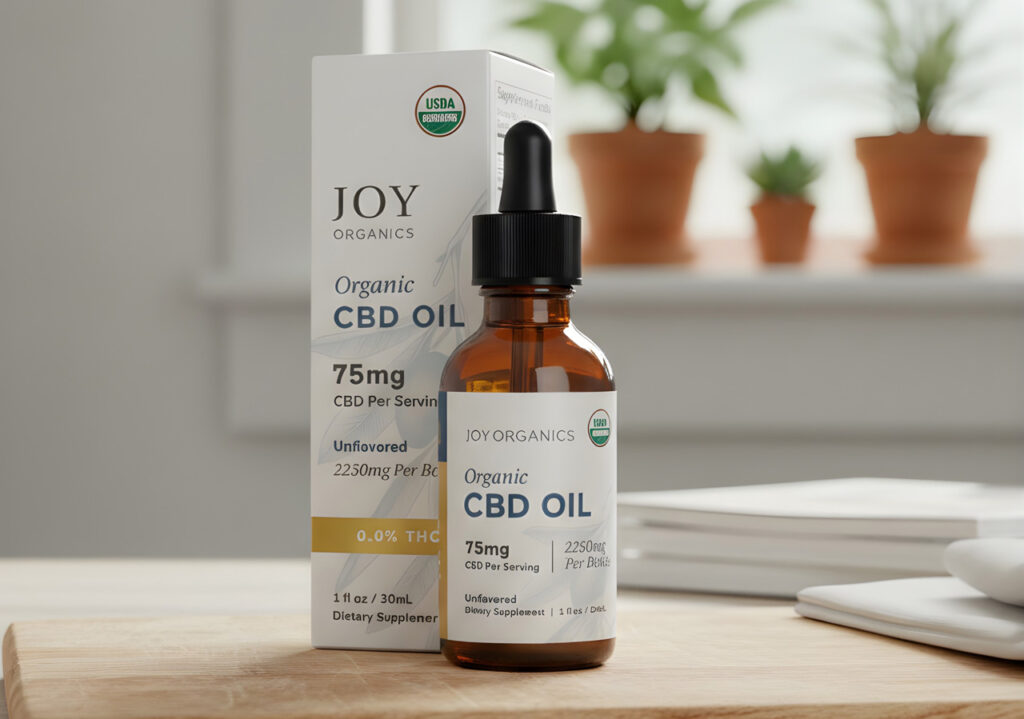
What Makes Joy Organics CBD Stand Out From Other Brands
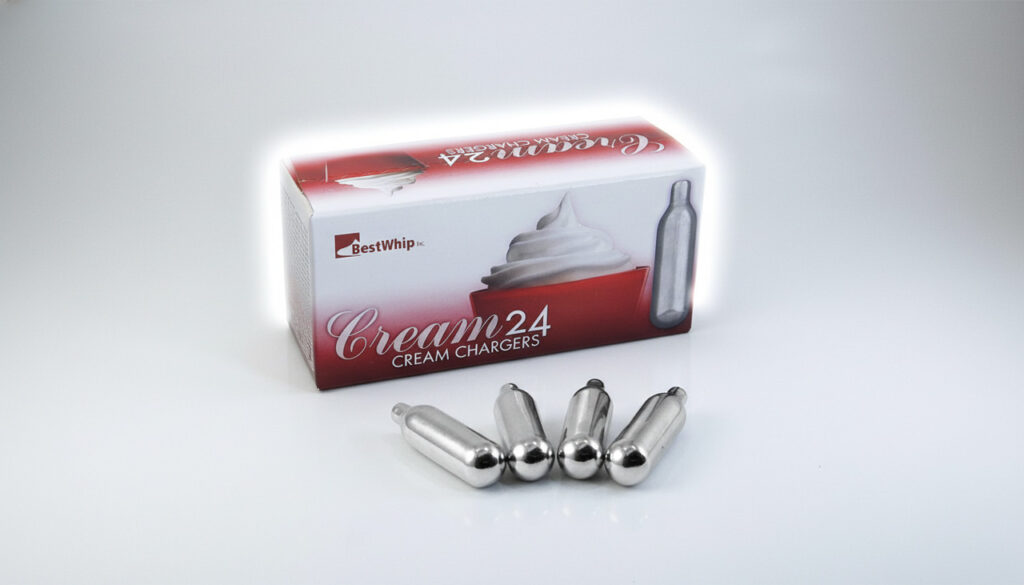
When talking about the crowded CBD market, many brands claim premium quality, clean ingredients, and reliable results. Yet experienced consumers often notice meaningful differences between products. Joy Organics has built a strong reputation by focusing on transparency, formulation quality, and customer trust. This guide explains what makes Joy Organics CBD different from many other brands….How to Store BestWhip N20 Whipped Cream for Maximum Freshness
When talking about whipped cream made with BestWhip N2O chargers, proper storage plays a big role in maintaining texture, taste, and safety. Whether you are preparing desserts at home or managing a small food business, knowing how to store whipped cream correctly helps reduce waste and keep quality consistent. This guide explains practical, easy-to-follow methods…What Makes Ashton Classic a Top Choice for Mild Cigar Smokers
When talking about premium mild cigars, Ashton Classic consistently earns attention from both new and experienced smokers. Known for its smooth character, clean construction, and dependable flavor, this cigar line has become a trusted option for those who prefer a refined and approachable smoking experience. But what exactly makes Ashton Classic a top choice for…



JOIN OUR REWARDS PROGRAM
Before you explore our shop’s offerings, ensure you join our exclusive rewards initiative. Our valued patrons and existing clientele appreciate our merchandise and recent enhancements. Nevertheless, what truly delights them and fuels their return is our exceptional loyalty system.
Enroll in Cloud Chaserz Rewards Program today and remain informed regarding fresh arrivals and package offers.