
How Does Tobacco Make You Feel?
November 9, 2025
Tobacco has been around for centuries, and people have always wondered why it feels so addictive and sometimes comforting. Smoking or using tobacco isn’t just a habit—it’s a complex experience that affects your mind, body, and even your emotions.
If you’ve ever wondered why that puff of smoke or chew of tobacco gives a peculiar mix of calm, alertness, or even euphoria, you’re not alone. Let’s break down exactly how tobacco makes you feel, why your body reacts the way it does, and what science has to say about it.
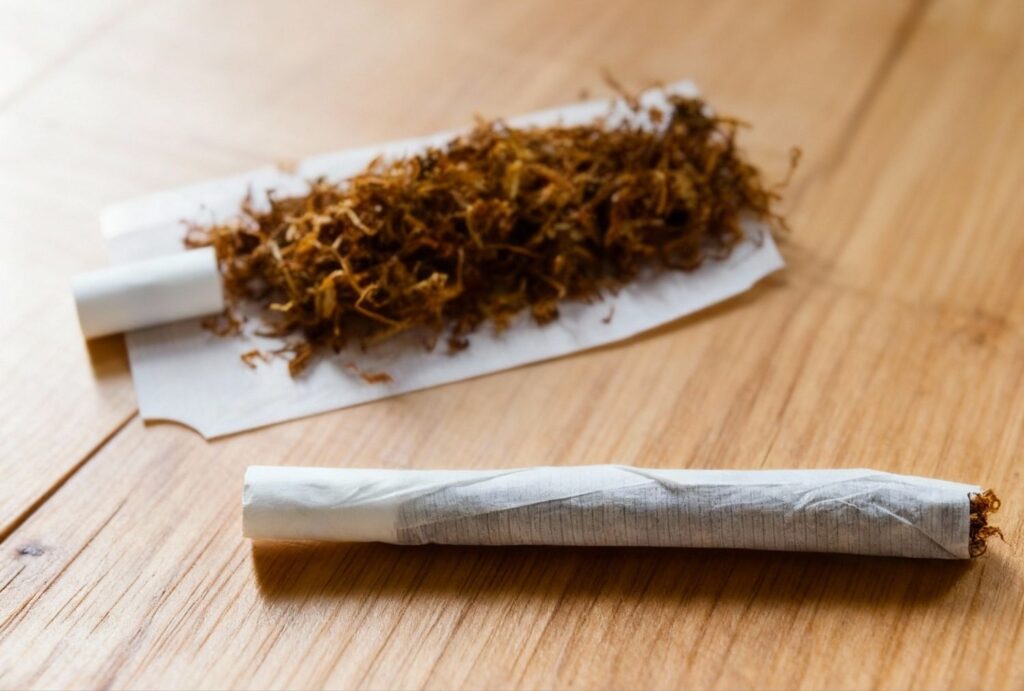
The Mysterious Effect of Tobacco
Tobacco isn’t just a plant—it’s a chemical cocktail. When you inhale smoke or use smokeless forms, nicotine enters your bloodstream and travels to your brain in mere seconds. That fast delivery is why tobacco feels so immediate and impactful. The sensation goes beyond a physical reaction; it touches your emotions, mental state, and even how you perceive stress. People often describe feeling “relaxed,” “focused,” or “buzzed,” but those are just the surface-level effects.
What Happens in Your Brain When You Smoke
The brain is the real playground for tobacco. Nicotine, the main psychoactive component in tobacco, binds to receptors in your brain that are designed to respond to acetylcholine, a neurotransmitter. This binding triggers a cascade of chemical reactions that mess with your mood, alertness, and even memory. It’s not magic—it’s pure biochemistry.
Nicotine and the Dopamine Rush
Dopamine is often called the “feel-good chemical,” and tobacco knows how to hijack it. Nicotine stimulates your brain to release dopamine rapidly, which creates feelings of pleasure and reward. This rush is why tobacco is so addictive—it tricks your brain into thinking that smoking or chewing is a rewarding experience. The effect is quick, noticeable, and, for some, irresistible.
Short-Term Mental Effects
Tobacco doesn’t just make you “feel good.” It can influence your mind in several ways, sometimes simultaneously.
Mood Boosts
One of the most common sensations after using tobacco is a sudden lift in mood. Some users report feeling lighter, happier, or more content. It can create a temporary sense of euphoria that often feels like a reward after stress or boredom.
Stress Relief Illusion
Many people believe tobacco helps with stress. That’s partially true—but it’s also a tricky illusion. Nicotine can reduce tension for a short period, but it does this by satisfying withdrawal cravings in regular users. Essentially, the “relief” is just your body returning to a baseline it’s been deprived of.
Heightened Alertness
Nicotine acts as a mild stimulant. Users often experience sharper focus, increased attention, and faster reaction times. This is why some smokers feel more awake or alert after a cigarette, even if they were initially tired or distracted.
Physical Reactions: Beyond the Brain
Tobacco doesn’t just play with your mind; it affects your whole body. Your heart, lungs, and muscles all respond to nicotine in unique ways.
The Heart Racing Effect
Nicotine triggers your adrenal glands to release adrenaline, which increases heart rate and blood pressure. That racing heartbeat can feel exciting, like a mini adrenaline rush, but over time, it can also strain your cardiovascular system.
Tingling and Buzzing Sensations
Ever notice a tingling feeling in your fingers or lightheadedness after your first cigarette? That’s nicotine’s effect on your nervous system. Blood vessels constrict, oxygen flow changes, and your body reacts with temporary sensations of dizziness or a “buzz.”
Energy vs. Fatigue
Some people experience a boost of energy after tobacco use, while others feel strangely tired afterward. Why? Nicotine’s stimulating effects are often followed by a crash once the chemicals leave your system, leading to fluctuating energy levels.
The Emotional Rollercoaster
Tobacco has a knack for influencing emotions in unexpected ways.
Calm and Relaxation
That sense of calm often described by smokers isn’t purely psychological. Nicotine changes brain chemistry in a way that temporarily reduces anxiety and induces relaxation. It’s like your nerves get a short vacation.
Irritability and Cravings
On the flip side, if you’re a regular user, skipping your next dose can make you irritable or anxious. These mood swings are your body’s response to nicotine withdrawal, which can hit surprisingly fast.
Temporary Happiness vs. Long-Term Effects
The happiness from tobacco is short-lived. While your brain experiences dopamine spikes, repeated use can dull natural pleasure responses, making ordinary activities feel less rewarding without nicotine.
Behavioral Patterns and Social Effects
Tobacco use isn’t only chemical—it’s cultural and social too.
Rituals and Habits
Lighting a cigarette, taking a chew, or using a vape pen often becomes part of a daily routine. These rituals create a sense of comfort and predictability, making the physical sensations even more rewarding because your brain associates them with routine.
Social Bonding
Sharing a smoke or vaping with friends can create feelings of connection. Humans are social creatures, and tobacco can serve as a social glue in certain settings. The act of smoking together can feel relaxing and fun, adding to the overall “experience.”
Cloud Chaserz Smoke Shop: Your Guide to Understanding Tobacco Effects
At Cloud Chaserz Smoke Shop, we see countless people curious about why tobacco feels so compelling. Educating users about the sensations, chemical effects, and potential risks helps everyone make more informed choices. We believe understanding the science behind how tobacco makes you feel is key to controlling your experience responsibly.
Exploring Different Products
Whether you’re trying cigars, pipes, chew, or vape products, each delivers nicotine differently. Some hit fast and hard, while others offer a slower, more subtle experience. Cloud Chaserz Smoke Shop provides guidance on these differences, ensuring your choices match the sensations you’re seeking.
Safe Practices
Understanding how tobacco affects your body and mind can help reduce unwanted side effects. We emphasize responsible use, proper handling, and avoiding excessive consumption.

Tolerance, Dependence, and Long-Term Feelings
Over time, your body adapts to nicotine, which changes how it feels.
Tolerance Buildup
The more you use tobacco, the more your brain expects nicotine to function normally. That means the initial euphoria diminishes, and you need more to feel the same effects.
Physical Dependence
Nicotine is addictive. Regular use rewires your brain chemistry, making withdrawal uncomfortable. Mood swings, irritability, and strong cravings are your body demanding its next dose.
Psychological Dependence
Beyond chemistry, many users rely on tobacco as a coping mechanism for stress, boredom, or social anxiety. The combination of mental habits and physical cravings makes quitting especially challenging.
The Double-Edged Sword: Pleasure vs. Risk
The sensations from tobacco come with consequences. Feeling relaxed, focused, or euphoric doesn’t erase the long-term risks.
Short-Term Pleasure
Immediate effects like mood lifts, alertness, and temporary calm feel enjoyable. This reward system is why so many continue using tobacco despite knowing the dangers.
Long-Term Health Risks
Repeated use increases the risk of heart disease, lung disease, cancer, and other serious conditions. Even if tobacco feels good now, it can take a toll on your body over time.
Alternatives to Satisfy the Senses
If you enjoy the ritual or sensation of tobacco, there are alternatives that may reduce harm.
Nicotine Replacement Therapies
Gums, patches, and lozenges can provide nicotine without inhaling harmful smoke. These help manage cravings while limiting negative physical effects.
Non-Nicotine Options
Herbal cigarettes, deep-breathing exercises, or even flavored teas can mimic some of the calming rituals of smoking without introducing nicotine to your system.
Understanding Cravings and How to Handle Them
Cravings aren’t just mental—they’re biological. Nicotine spikes dopamine, making your brain associate pleasure with smoking. When nicotine levels drop, the brain signals discomfort, which is your craving. Strategies like mindful breathing, hydration, or small distractions can help manage urges.
The Psychology Behind Tobacco Enjoyment
Tobacco’s effects aren’t just about nicotine. Context, environment, and emotional state all shape how you feel. A cigarette after a meal, a smoke break during work, or vaping with friends can feel very different. Your brain learns these associations, reinforcing the experience.
Cloud Chaserz Smoke Shop Serving the South Haven Community and Beyond in Sapulpa
Cloud Chaserz Smoke Shop is dedicated to serving the diverse needs of the local community of Sapulpa, including individuals residing in neighborhoods like South Haven. With its convenient location near landmarks such as the Freedom Church and major intersections like E Fern Ave. & N 8th St. (coordinates: 36.00983759505569, -96.10977101345358), we offer tobacco store Sapulpa services.
Get Tobacco Store Services at South Haven Now
Navigate from South Haven to Cloud Chaserz Smoke Shop Now
The Complex Feeling of Tobacco
Tobacco is much more than a habit—it’s a full-body, mind-altering experience. The immediate rush of dopamine, temporary calm, and heightened alertness are all parts of its complex effects. But these sensations come with a price.
Understanding how tobacco makes you feel helps you make more informed choices, enjoy your experiences safely, and manage cravings responsibly. Whether you’re new to smoking, a casual user, or just curious, knowing the science behind the sensation is empowering.
FAQs
1. Why does tobacco make me feel relaxed?
Tobacco releases nicotine, which affects brain chemistry and temporarily reduces tension. The relaxation is partly your body satisfying cravings, not purely stress relief.
2. Can tobacco improve focus and alertness?
Yes. Nicotine is a stimulant that increases dopamine and adrenaline, improving attention and reaction times. The effect is temporary and can lead to energy crashes afterward.
3. Are the pleasurable feelings from tobacco addictive?
Absolutely. Nicotine triggers dopamine, creating a reward loop in the brain. Repeated use can lead to physical and psychological dependence.
4. Do all tobacco products feel the same?
No. Cigarettes, cigars, chew, and vape products deliver nicotine differently, affecting intensity, duration, and type of sensations.
5. Is there a safe way to enjoy tobacco?
Using tobacco in moderation, choosing lower-risk products, and understanding your own limits can reduce harm, but no form is entirely risk-free.

Level Up with Cloud Chaserz Rewards
Join the crew and get more out of every cloud. With our exclusive rewards program, every purchase earns points toward discounts, drops, and members-only perks.
Sign up today and start chasing rewards your way.
Related Blogs
4 Everyday Uses for Nitrous Oxide Chargers
These small N₂O chargers can make food preparation easier and more convenient. Their uses go beyond dessert toppings. With a compatible whipping siphon, they can create foams, infuse flavors, and add a light finish to drinks. They are useful for home cooks, dessert makers, and specialty beverage fans. Cloud Chaserz Smoke Shop Tulsa, Vape Shop…Before Visiting a Head Shop, Read This
Visiting a head shop can feel simple, but preparation can make your trip easier. Stores may carry vaping products, hookah items, smoking accessories, and other products with different uses and rules. Before you shop, know what you want, check product details, and understand the rules that apply to the product you are considering. Know What…What Cigar Shop Humidors Are Really Hiding
Walk into a cigar shop, and you’ll notice the polished wooden boxes called humidors. They look elegant, but they’re more than decoration. Inside, they hide the secret to keeping cigars fresh, flavorful, and worth every puff. The Hidden Purpose of Humidors Humidors are designed to control humidity. Cigars are delicate, and even small changes in…










JOIN OUR REWARDS PROGRAM
Before you explore our shop’s offerings, ensure you join our exclusive rewards initiative. Our valued patrons and existing clientele appreciate our merchandise and recent enhancements. Nevertheless, what truly delights them and fuels their return is our exceptional loyalty system.
Enroll in Cloud Chaserz Rewards Program today and remain informed regarding fresh arrivals and package offers.