
N20 Charger Sizes Explained: Which One Actually Fits Your Setup? Cedar Ridge Heights
May 13, 2026
N20 chargers help control how pressure enters a device and how that pressure performs during use. When the charger matches your setup, the system runs smoothly with steady, predictable output.
The wrong size can cause uneven pressure, unstable flow, and inconsistent performance. That’s why charger size matters—different setups need different levels of pressure control.
What An N20 Charger Does In Your Setup
An N20 charger controls the delivery of pressurized gas into a connected system. That pressure affects how the device performs in real time. A properly matched charger maintains steady flow, which keeps output consistent.
A mismatched charger creates problems fast. Too small, and the system feels weak and underpowered. Too large, and pressure becomes difficult to manage, which can stress the device.
Users in Cedar Ridge Heights often notice performance changes when switching environments or setups. That difference usually traces back to charger compatibility rather than the device itself.
Why Size Matters More Than Most People Think
Size determines pressure strength, flow speed, and system stability. A small charger limits output, which works fine for light use. A larger charger delivers higher pressure, better suited for demanding systems.
Many users focus only on power. That approach often leads to disappointment. The real key lies in matching size with actual system requirements.
A balanced setup always performs better than an oversized or undersized one. Efficiency improves, and wear on the system reduces noticeably.
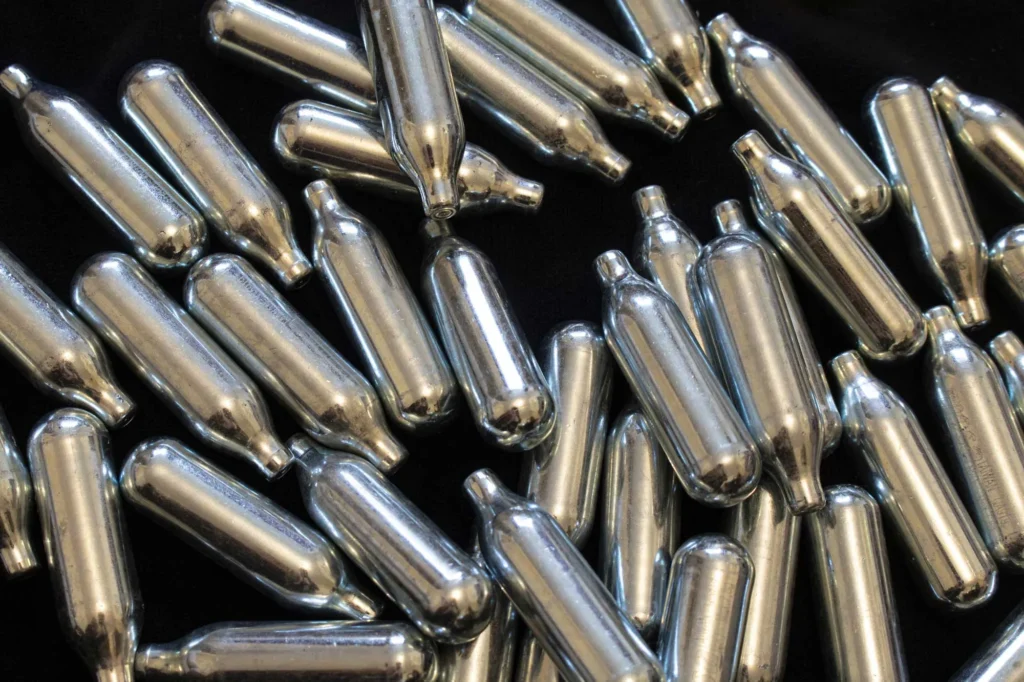
N20 Charger Sizes Breakdown
N20 chargers typically fall into three main categories: small, medium, and large. Each category serves a different purpose depending on system demand and usage frequency.